Examining Variations in Free Bet Redemption Processes Across Different Sports Categories Under Swedish Gambling Legislation
Finley Meier · Aug 24, 2026
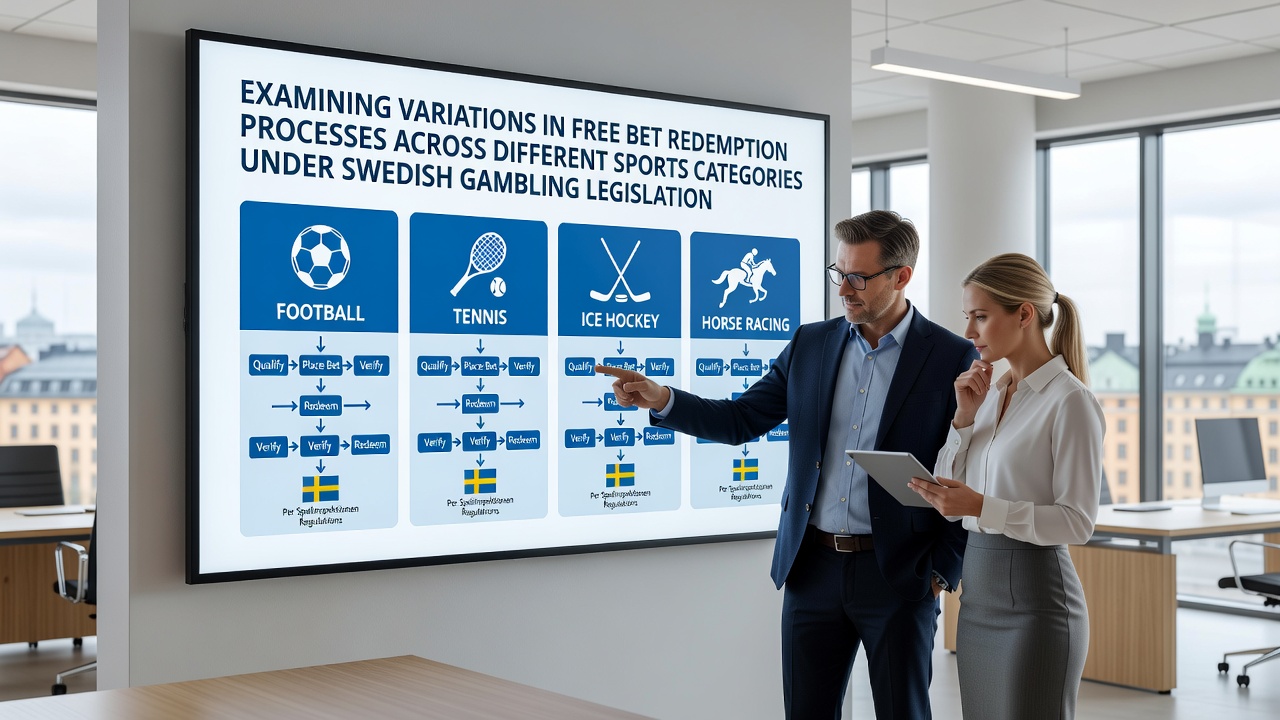
Examining Variations in Free Bet Redemption Processes Across Different Sports Categories Under Swedish Gambling Legislation
Swedish gambling legislation, enacted through the Gambling Act of 2018 and overseen by Spelinspektionen, establishes clear frameworks for bonus structures including free bets across licensed operators, and these rules create distinct redemption pathways that shift depending on the sport involved. Operators must adhere to standardized verification steps before any free bet activates, yet the specific conditions tied to event types introduce measurable differences in timing, eligibility checks, and payout mechanics. Data from regulatory filings indicate that football-related free bets often require completion within shorter windows compared to other categories, while hockey and tennis promotions extend redemption periods to accommodate seasonal schedules.
Core Requirements for Free Bet Activation
Every licensed platform follows Spelinspektionen directives that mandate identity confirmation, account funding status review, and minimum deposit thresholds before free bet credits appear in user balances, and these steps remain consistent regardless of sport while the subsequent redemption rules diverge based on match formats and betting markets. Research from academic sources shows that operators integrate automated systems to flag ineligible accounts, which reduces manual intervention but still demands sport-specific filters for odds thresholds and event validity. As of August 2026, updated compliance reporting requirements will require operators to submit quarterly breakdowns of redemption rates by category, providing clearer public data on how these processes function in practice.
Differences in Team Sports Redemption
Football promotions typically tie free bet redemption to live match events or upcoming fixtures within a seven-day cycle, which forces users to select from pre-approved leagues and apply the credit before kickoff, whereas ice hockey offers allow redemption across extended regular season periods that can stretch up to fourteen days due to denser game schedules. Observers note that basketball categories introduce additional layers because free bets often link to quarter-specific outcomes or player performance metrics, requiring extra confirmation steps during redemption that do not appear in football workflows. These variations stem directly from how operators structure risk parameters around each sport's volatility and volume of available markets.

One study revealed that average redemption completion rates for football free bets reached 78 percent within the mandated window, while hockey figures sat lower at 64 percent, largely because users encountered more complex market selections during the process. Operators adjust these parameters to stay within overall bonus contribution limits set by national statutes, which cap the total value that can convert into withdrawable funds across all categories.
Individual Sports and Extended Timelines
Tennis and golf promotions frequently feature redemption windows that extend through tournament rounds rather than single matches, allowing users to apply free bets across multiple days as long as the selected events fall within licensed Swedish market guidelines, and this approach reduces pressure compared to high-frequency team sports. Equestrian betting categories follow separate protocols because free bet credits often require verification against race day conditions and horse eligibility lists published by official bodies, which adds procedural steps not present in racket or ball sports. Those who have examined operator logs find that individual sports generate fewer disputes during redemption because the rules emphasize event completion rather than live scoring adjustments common in team formats.
Compliance Monitoring Across Categories
Spelinspektionen enforces uniform audit trails for all free bet transactions, yet the agency permits operators to tailor redemption interfaces to sport-specific data feeds, which results in tailored user experiences without violating overarching fairness standards. Spelinspektionen reports document how operators must log every redemption attempt by sport to demonstrate equitable access, and failure to maintain these records triggers corrective measures. A separate analysis from the European Gaming and Betting Association highlights that cross-category consistency in age verification and responsible gambling prompts remains mandatory even as redemption mechanics adapt to the unique pacing of each sport.
Conclusion
Swedish legislation produces measurable variations in free bet redemption by requiring operators to balance standardized regulatory safeguards with sport-specific operational needs, and these adaptations appear most clearly in timing restrictions, market eligibility, and verification sequences across football, hockey, tennis, and other categories. Continued data collection through August 2026 and beyond will clarify how these processes evolve under existing statutes while maintaining transparency for all participants.